
Vinyl vs. Laminate Flooring: Which Is Better for Your Home?


Introduction to Vinyl and Laminate Flooring
When it comes to choosing the perfect flooring for your home, two popular options often come to mind: vinyl and laminate. Both offer unique benefits and have their own set of features that might make one more suitable for your needs than the other. Understanding the differences between these two types of flooring will help you make an informed decision.
Durability and Longevity
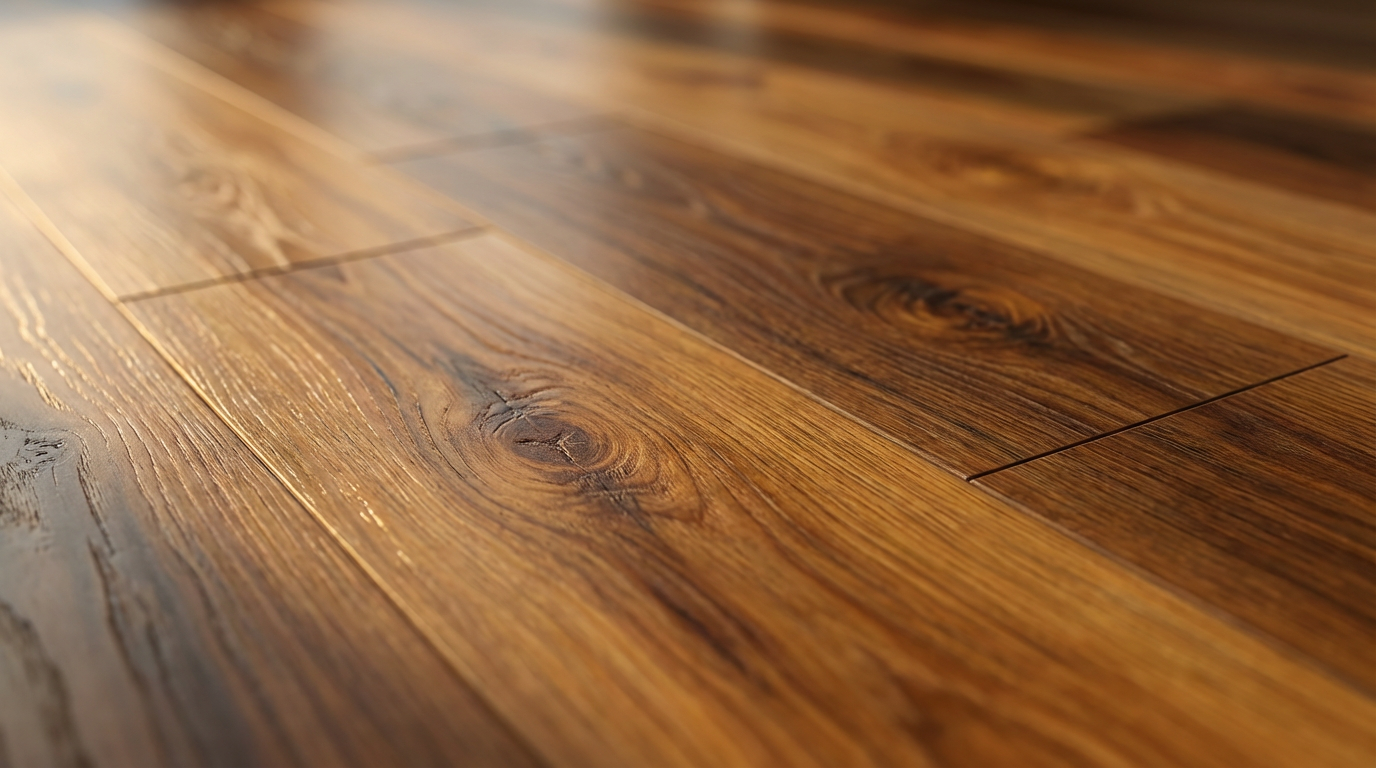
When it comes to durability, both vinyl and laminate flooring have their strengths. Vinyl flooring is known for its water resistance, making it an excellent choice for areas prone to moisture, such as kitchens and bathrooms. It is less likely to warp or stain, which contributes to its longevity.
On the other hand, laminate flooring is known for its resistance to scratches and dents. It is made of pressed wood, which gives it a tough surface that can handle heavy foot traffic. However, it is not as resistant to moisture as vinyl, making it less suitable for wet areas.
Installation and Costs
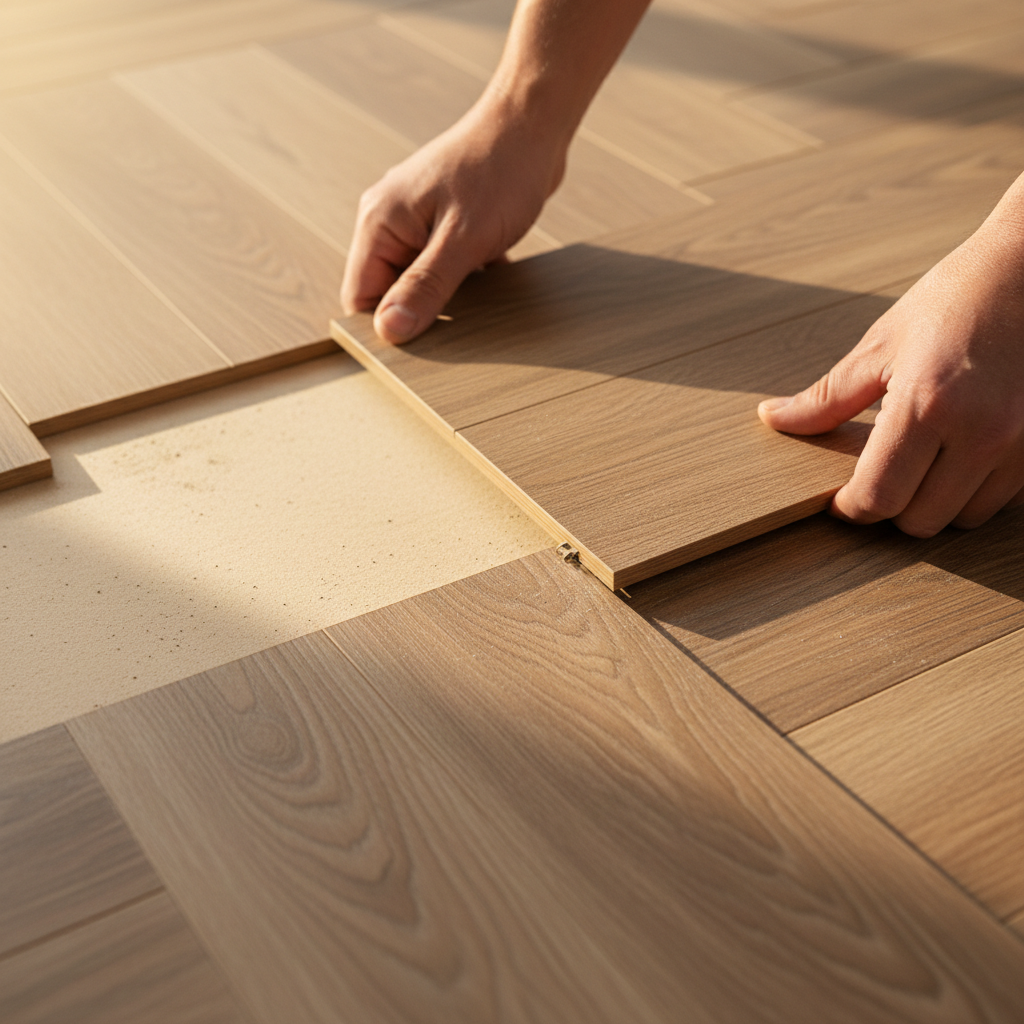
Both vinyl and laminate flooring are relatively easy to install, making them ideal choices for DIY enthusiasts. Vinyl flooring often comes in sheets, tiles, or planks, and can be glued down or installed as a floating floor. Laminate flooring typically features a click-lock system, allowing the planks to snap together easily.
In terms of cost, both options are budget-friendly compared to hardwood flooring. However, vinyl usually offers a wider range of prices, with some premium options available. Laminate is generally uniform in pricing but can vary based on thickness and brand.
Aesthetic Appeal
Vinyl and laminate flooring both offer a wide variety of styles and designs. Vinyl flooring can mimic the look of natural materials like wood and stone, offering a realistic appearance. It is available in numerous patterns and colors, allowing for customization.
Laminate flooring, known for its realistic wood-like appearance, often looks more natural than vinyl. It provides a warm, inviting aesthetic that can suit various interior design styles. However, it's essential to choose a high-quality laminate to achieve the most authentic look.
Maintenance and Care
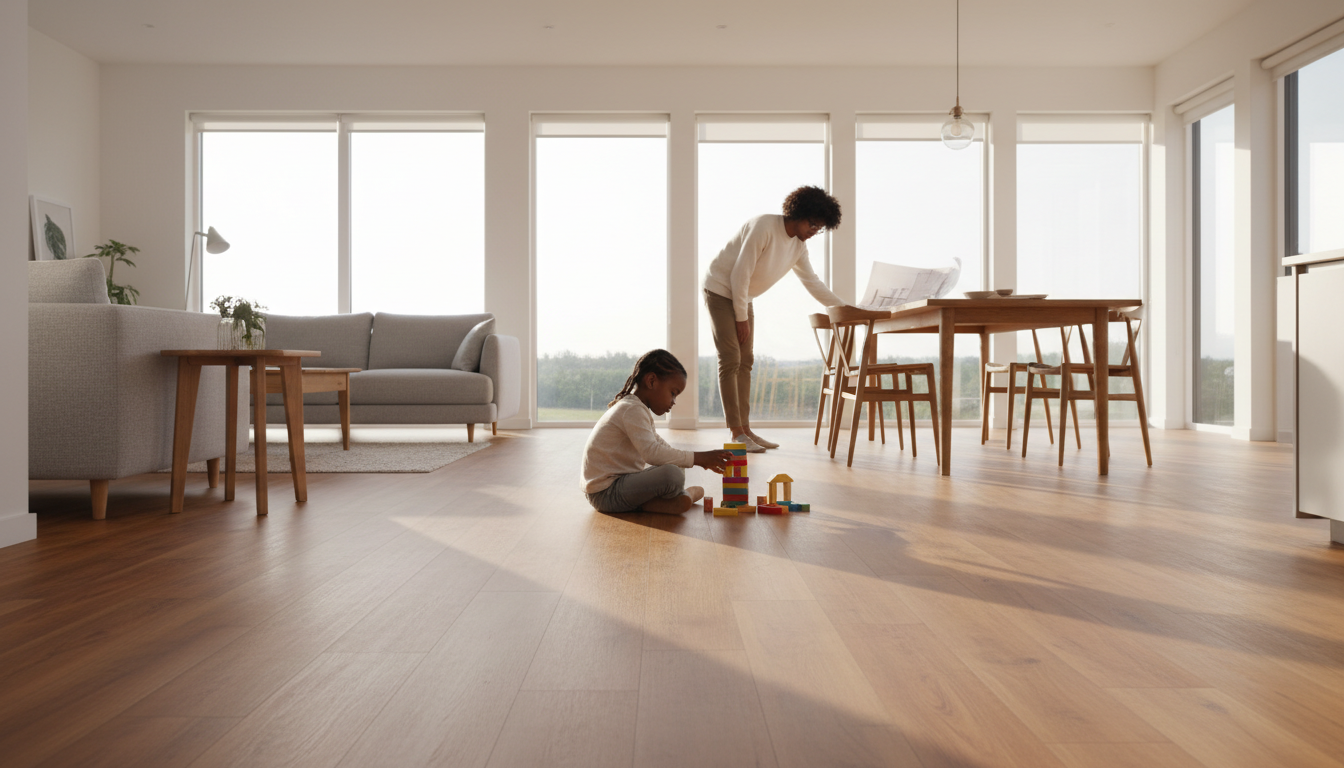
Both types of flooring are relatively low-maintenance. Vinyl is easy to clean, requiring only regular sweeping and occasional mopping. Its water-resistant nature means spills can be wiped away without worry.
Laminate flooring also requires minimal maintenance, but it is crucial to avoid excessive water exposure. Sweeping and using a damp mop are usually sufficient to keep it looking its best. Additionally, using protective pads under furniture can prevent scratches.
Environmental Considerations
When considering the environmental impact, both flooring types have pros and cons. Many vinyl flooring options are made from synthetic materials, which may not be biodegradable. However, some manufacturers offer eco-friendly options made from recycled content.
Laminate flooring is often made from wood by-products, which can make it a more environmentally friendly choice. Look for brands that use sustainably sourced materials and eco-friendly production processes for the best option.
Conclusion
Choosing between vinyl and laminate flooring depends on your specific needs and preferences. If you prioritize water resistance and a wide range of pricing options, vinyl flooring might be the right choice for you. However, if you seek a natural look with scratch resistance, laminate flooring could be the better option. Consider your lifestyle, budget, and aesthetic preferences to make the best decision for your home.