Understanding Flooring Costs: What to Expect Before You Buy


When planning a flooring project, understanding the costs involved is crucial to making informed decisions. Flooring costs can vary widely depending on several factors, and knowing what to expect can help you budget effectively and avoid surprises.
Types of Flooring Materials
One of the primary factors affecting flooring costs is the type of material you choose. Each material comes with its own price range and characteristics. Here's a quick overview of common flooring options:
- Hardwood: Known for its durability and timeless appeal, hardwood flooring is often on the higher end of the cost spectrum.
- Laminate: Offering the look of hardwood at a fraction of the cost, laminate is a popular choice for budget-conscious homeowners.
- Vinyl: Resilient and water-resistant, vinyl flooring is an affordable option that's easy to maintain.
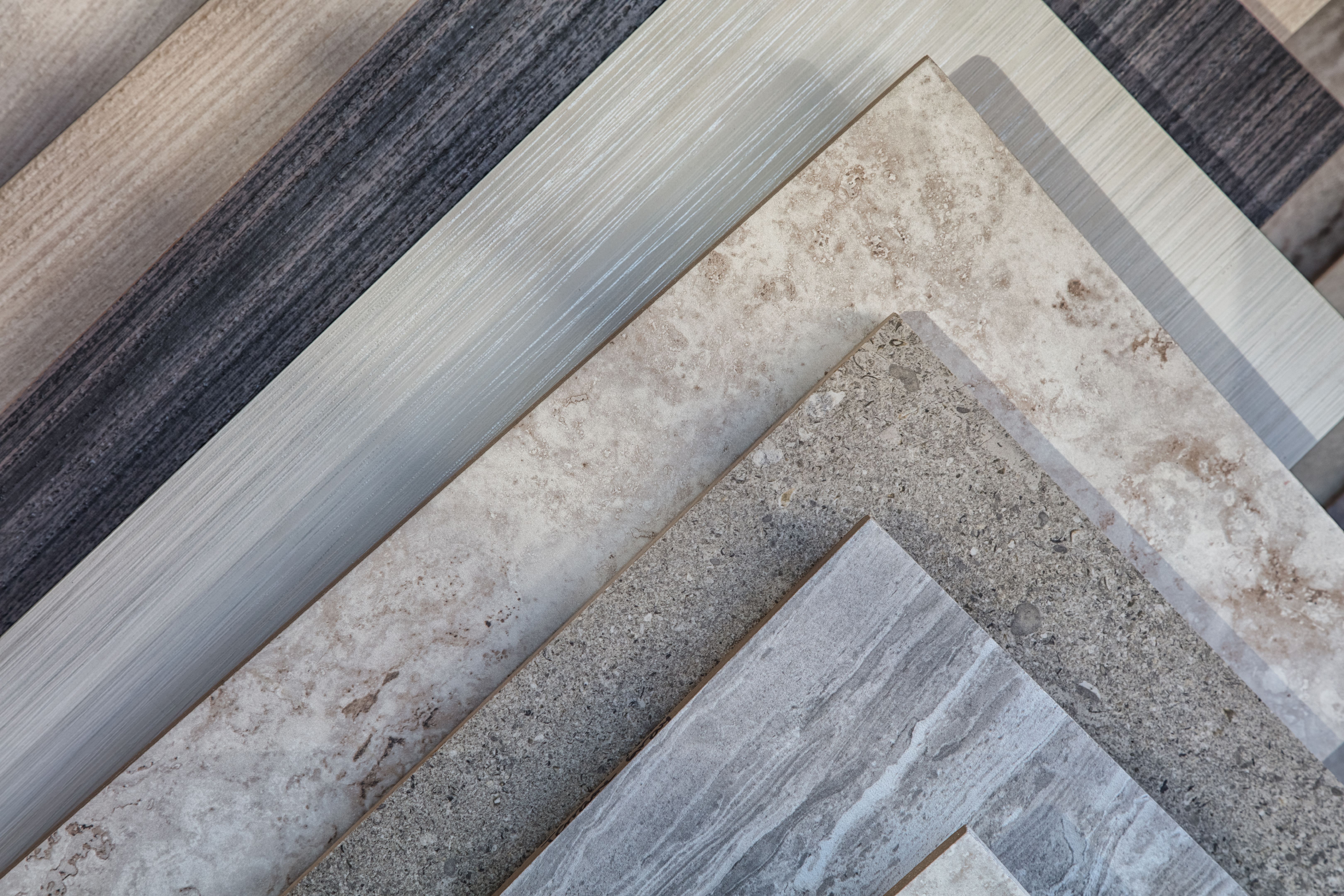
- Tile: Available in a variety of styles, tile flooring is durable and suitable for high-moisture areas.
Installation Costs
In addition to the price of materials, installation costs play a significant role in the overall expense. Professional installation can ensure a high-quality finish, but it does add to the cost. Factors such as room size, complexity of the layout, and the condition of the subfloor can affect installation prices.
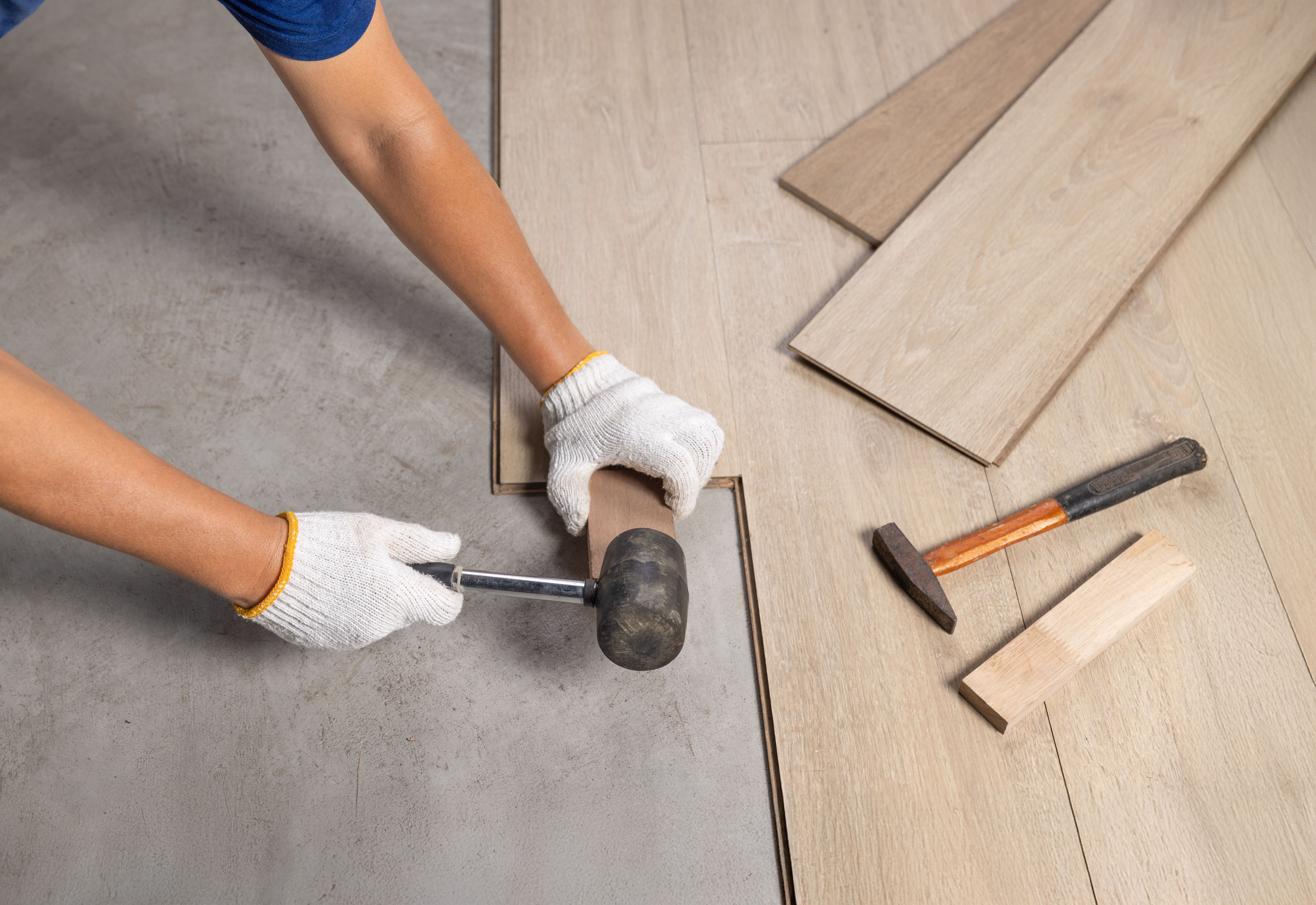
Some homeowners opt for DIY installation to save money, especially with materials like laminate and vinyl that are designed for easier installation. However, improper installation can lead to issues down the line, which may incur additional costs.
Additional Costs to Consider
Beyond materials and installation, there are other potential costs to keep in mind:
- Underlayment: Some flooring types require an underlayment for added stability and soundproofing.
- Removal of Old Flooring: If you need to remove existing flooring, this can add to the labor costs.
- Finishing and Sealing: Natural materials like hardwood may require finishing or sealing, adding to the expense.
Budgeting for Your Flooring Project
To effectively budget for your flooring project, it's important to consider all these elements. Start by determining the total square footage of the area you plan to cover. Then, research the costs of different materials and get quotes from several contractors to compare installation prices.
It's wise to set aside a contingency fund for unexpected expenses, such as repairs to the subfloor or additional materials. Planning ahead can help ensure your project stays on track financially.
Conclusion
Understanding the various costs associated with flooring can help you make informed choices and avoid surprises. By considering the type of material, installation, and additional expenses, you can create a realistic budget for your project. This preparation will lead to a smooth process and a beautiful finished product that enhances your home's value.