
How to Prepare Your Floors for Winter: Essential Tips and Tricks


Evaluate Your Flooring Type
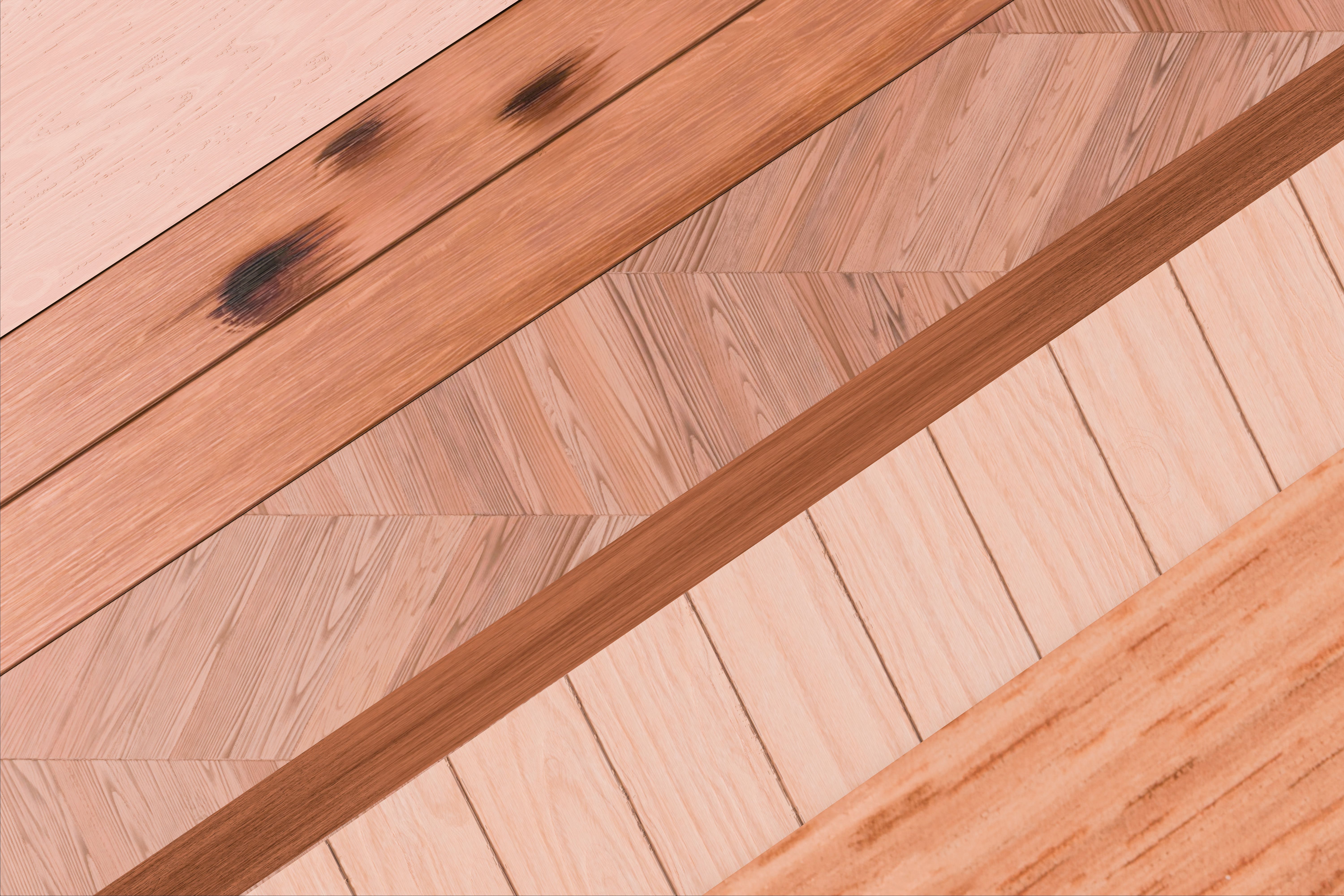
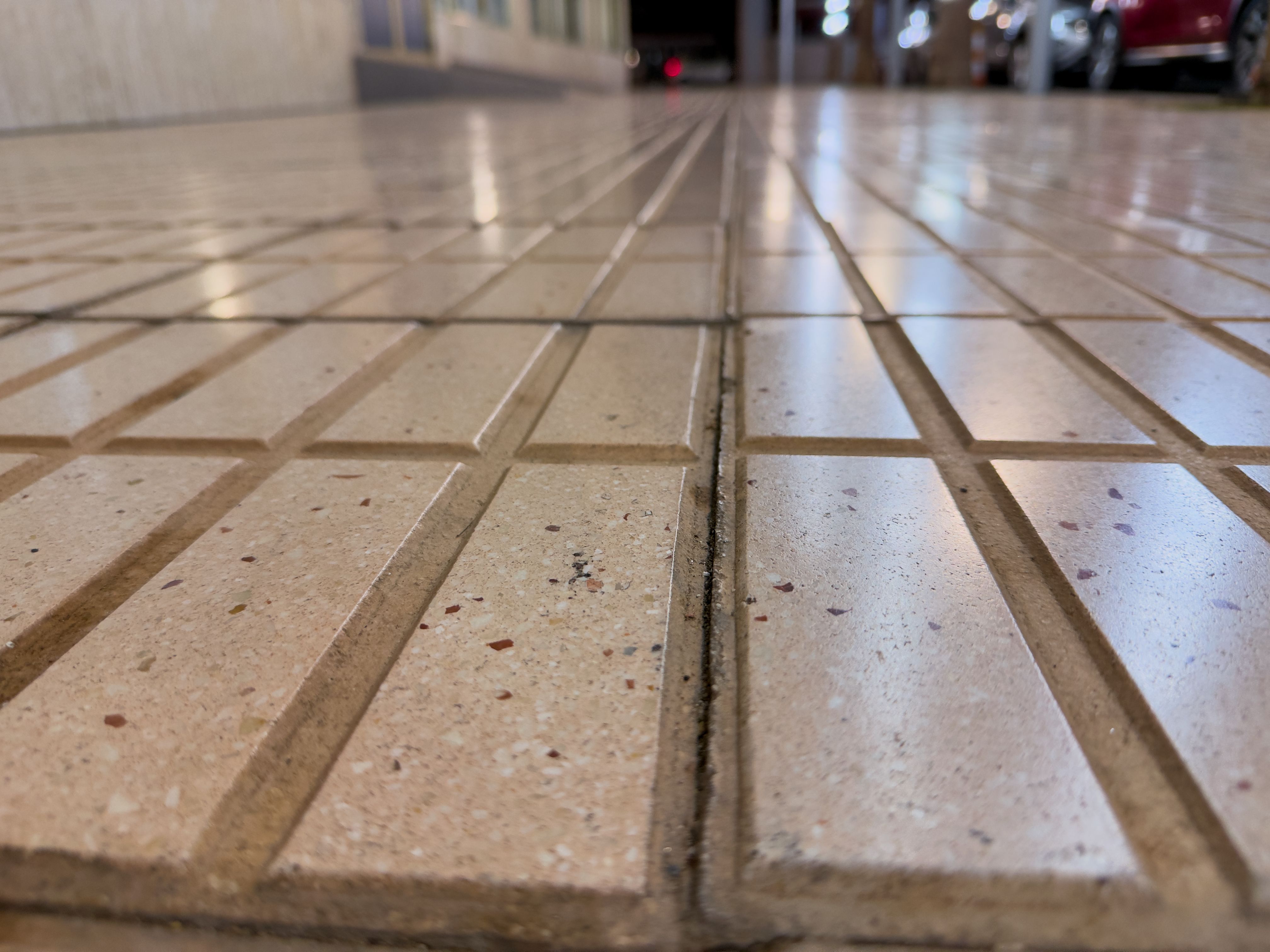
Understanding the type of flooring in your home is the first step in preparing for winter. Different materials require different maintenance methods. For example, hardwood floors need special care to prevent moisture damage, while tile floors might need extra insulation to keep them warm. Assess your floors and tailor your winter preparation accordingly.
Protect Against Moisture
Winter often brings increased moisture, which can be detrimental to many types of flooring. To protect against this, consider placing mats at all entryways to catch snow and water from shoes. Additionally, using a dehumidifier can help reduce indoor moisture levels. For hardwood floors, applying a protective sealant can also be beneficial.
Insulate for Warmth
Cold floors can make your home uncomfortable during the winter months. To combat this, consider adding area rugs or carpets, especially in rooms with tile or stone flooring. These not only provide warmth but also add a layer of insulation. For more permanent solutions, underfloor heating systems can be installed to keep your floors toasty.

Regular Cleaning and Maintenance
Keeping your floors clean is crucial in winter, as dirt and salt from outside can accumulate quickly. Sweep and vacuum regularly to prevent scratches and damage. For wood floors, use a damp mop with a cleaner specifically designed for hardwood to maintain their shine and condition.
Invest in Floor Protectors
Furniture can cause significant wear and tear on floors, especially when frequently moved. To mitigate this, invest in furniture pads or floor protectors. These small additions can make a big difference, helping to prevent scratches and scuffs on your floors.

Check for Drafts
Drafts can make your floors colder and increase heating costs. Inspect your home for any gaps or cracks near the floor that might be letting in cold air. Seal these areas with weatherstripping or caulking to keep your home warm and energy-efficient.
Plan for High-Traffic Areas
High-traffic areas are more susceptible to wear during winter. Consider using runners or larger rugs in these spaces to protect the flooring underneath. This not only preserves the condition of your floors but also adds an extra layer of warmth and comfort.
Conclusion
Preparing your floors for winter involves a mix of protection, maintenance, and insulation strategies. By following these tips, you can ensure your floors remain in excellent condition throughout the colder months. Remember, a little preparation now can save you from costly repairs in the future.