
Expert Tips on Maintaining Hardwood Floors


Understanding Your Hardwood Floors
Hardwood floors are a stunning addition to any home, offering a timeless appeal and durability. However, maintaining their beauty requires regular care and attention. Understanding the type of wood and finish is crucial to tailor your maintenance routine effectively.
Different types of wood, such as oak, maple, or cherry, have distinct characteristics. Additionally, the finish—whether it’s oil-based, water-based, or wax—affects how you should clean and care for your floors. Knowing these details will help you choose the right products and techniques.
Daily Cleaning Routine
Establishing a daily cleaning routine is essential to keep your hardwood floors looking pristine. Start by sweeping or vacuuming with a soft-bristle attachment to remove dust and debris. This prevents scratches and keeps your floors shining.
Use a microfiber mop for a quick and easy clean. Avoid excessive water, as it can damage the wood. Instead, use a damp mop or a cleaner specifically designed for hardwood floors. Consistent daily care will extend the life of your flooring.
Dealing with Spills and Stains
Accidents happen, and when they do, it's important to act fast. Blot spills immediately with a soft cloth to prevent stains. Avoid using harsh chemicals or abrasive materials, as they can strip the finish and damage the wood.
Periodic Deep Cleaning
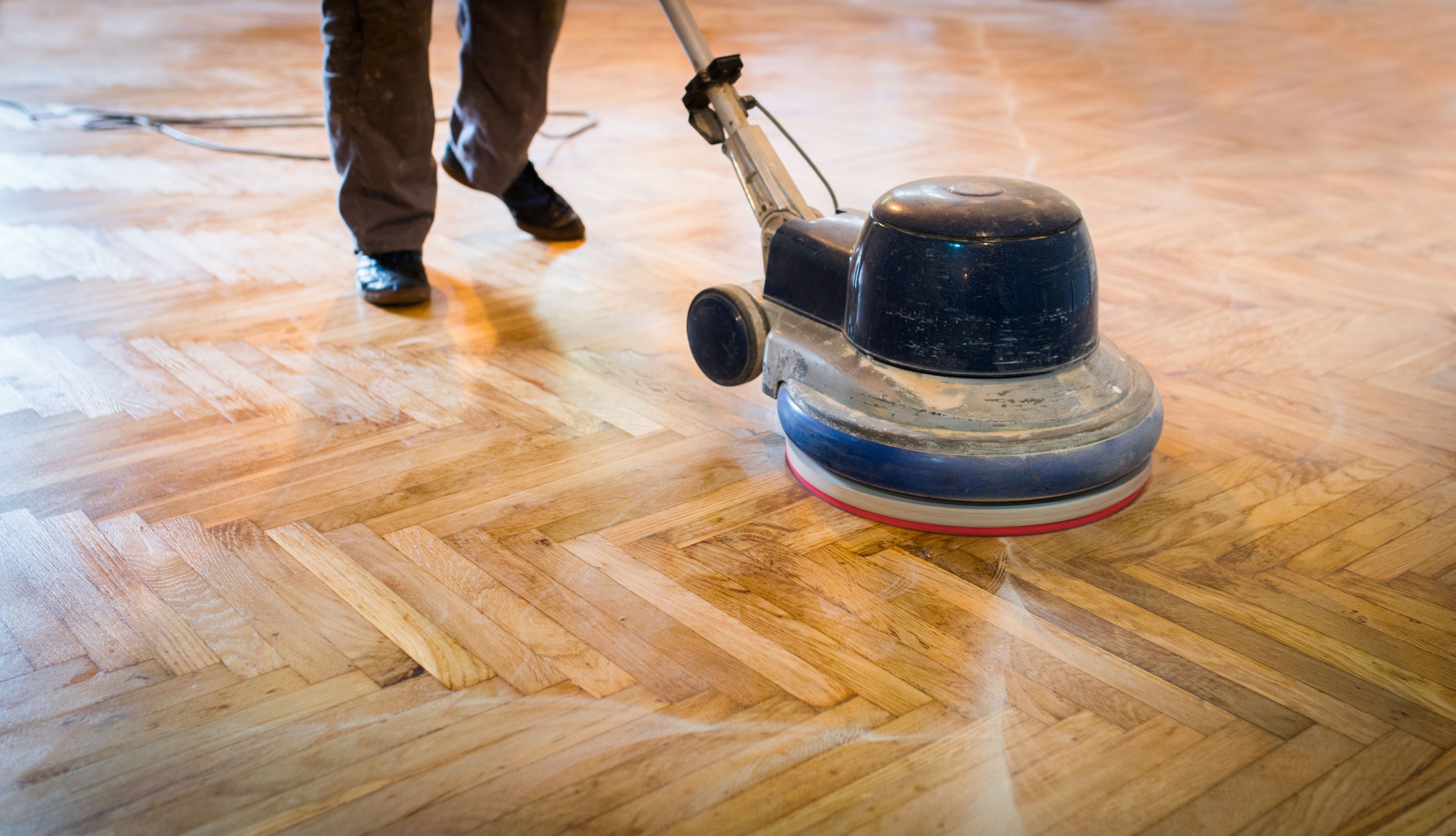
In addition to daily care, periodic deep cleaning is necessary to maintain the luster of your hardwood floors. Depending on the foot traffic, aim for a deep clean every one to three months. Use a specialized wood cleaner and follow the manufacturer’s instructions.
If your floors have lost their shine, consider a professional refinishing job. This can bring back the original beauty of the wood and add a protective layer. Regular deep cleaning and occasional refinishing will keep your floors looking new for years.
Preventing Damage
Prevention is key to maintaining hardwood floors. Use rugs or mats in high-traffic areas and near entryways to trap dirt and moisture. Felt pads under furniture legs can prevent scratches. Be mindful of your footwear, as high heels or sports cleats can dent the wood.
Controlling Humidity Levels
Wood is a natural material that expands and contracts with changes in humidity. To prevent warping and gaps, maintain a consistent indoor humidity level between 30% and 50%. Using a humidifier in dry months and a dehumidifier in humid months can help.
Sudden temperature changes can also affect your floors. Avoid exposing them to direct sunlight for prolonged periods, as it can cause fading. Consider using curtains or blinds to protect your investment.
Conclusion: Long-Term Care
With the right care and attention, your hardwood floors can remain a beautiful feature of your home for decades. Regular cleaning, preventative measures, and climate control are essential practices. Embrace these expert tips, and your floors will continue to impress.